Yes, in many cases, you can install a metal roof over existing shingles. This approach is both practical and cost-effective for homeowners looking to upgrade their roof without the hassle of tearing off the old one. However, there are several important factors to consider before moving forward with this decision. In this article, we’ll explore the benefits, potential challenges, and key considerations when installing a metal roof over shingles.
Benefits of Installing a Metal Roof Over Shingles
- Cost Savings One of the biggest advantages of installing a metal roof over shingles is the potential cost savings. By avoiding the labor and disposal fees associated with tearing off the old roof, you can significantly reduce the overall cost of the project. Additionally, fewer labor hours mean the installation process is quicker and more convenient.
- Reduced Environmental Impact Reusing your old shingles by leaving them in place prevents unnecessary waste from ending up in landfills. This environmentally friendly approach appeals to homeowners looking to reduce their ecological footprint.
- Added Insulation When installed over shingles, a metal roof provides an additional layer of insulation, which can improve the energy efficiency of your home. The air gap between the shingles and the metal roof helps regulate your home’s temperature, leading to potential energy savings on heating and cooling.
- Durability and Longevity Metal roofing is known for its durability and long lifespan. It can last 40-70 years, depending on the material, which is far longer than traditional asphalt shingles. It’s resistant to weather elements like rain, snow, wind, and even fire, making it a great long-term investment.
Key Considerations Before Installing Metal Over Shingles
While the benefits of installing a metal roof over shingles are clear, there are several factors that need careful consideration:
- Local Building Codes Before starting any roofing project, it’s crucial to check your local building codes. Some areas have regulations that limit the number of roofing layers you can have. In some cases, you may need to tear off the existing shingles if there are already multiple layers of roofing.
- Roof Condition The condition of your existing shingle roof is important. If the old roof has significant damage, such as rotten decking, mold, or structural issues, these problems need to be addressed before installing a metal roof. Installing a new roof over damaged shingles can lead to future issues.
- Weight Considerations Metal roofs are lightweight compared to other roofing materials, so they typically don’t add significant weight to your home’s structure. However, it’s essential to ensure your roof’s structure can handle both the old shingle roof and the new metal roof. In rare cases, additional structural support may be needed.
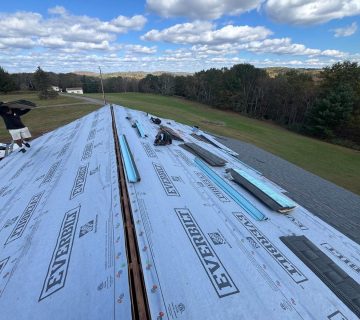
- Underlayment Even when installing over shingles, adding a high-quality underlayment between the shingles and metal roofing panels is recommended. This serves as an extra layer of protection against moisture, improving the overall performance of your roof.
- Ventilation Proper ventilation is crucial when adding a metal roof over shingles. Without proper ventilation, trapped heat and moisture can cause damage to both your roof and home over time. Be sure your contractor considers this and installs adequate ventilation to allow air circulation.
Installation Process
Here’s a quick overview of how a metal roof is installed over shingles:
- Inspection: A roofing professional will inspect the condition of the existing shingles to ensure they are suitable for an overlay.
- Framing: In many cases, a framework of furring strips or battens is installed over the shingles to create a flat surface and allow airflow beneath the metal panels.
- Underlayment: A moisture-resistant underlayment is laid down to prevent water penetration and protect the roof decking.
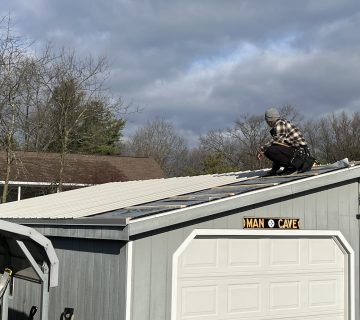
- Metal Roofing: Finally, the metal panels are installed over the framework and secured in place, completing the process.
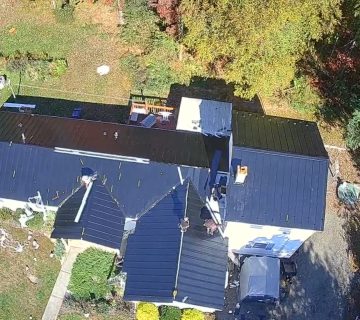
Yes, you can install a metal roof over shingles, but it’s important to consider factors such as local building codes, the condition of the existing roof, and proper ventilation. When done correctly, this approach can save you money, reduce waste, and provide an energy-efficient, durable roof that will last for decades.
If you’re considering upgrading to a metal roof, contact our team at GMR Metal Roofs. We specialize in metal roofing installations and can help you determine the best approach for your home. Get in touch today for a free consultation!